
Two Springs
I dug up an old photo of the front of the house this weekend. 2021. A bare strip of mulch, two sad shrubs, a hose coiled near the porch. I almost forgot we ever lived in that house, even though it’s the same house.
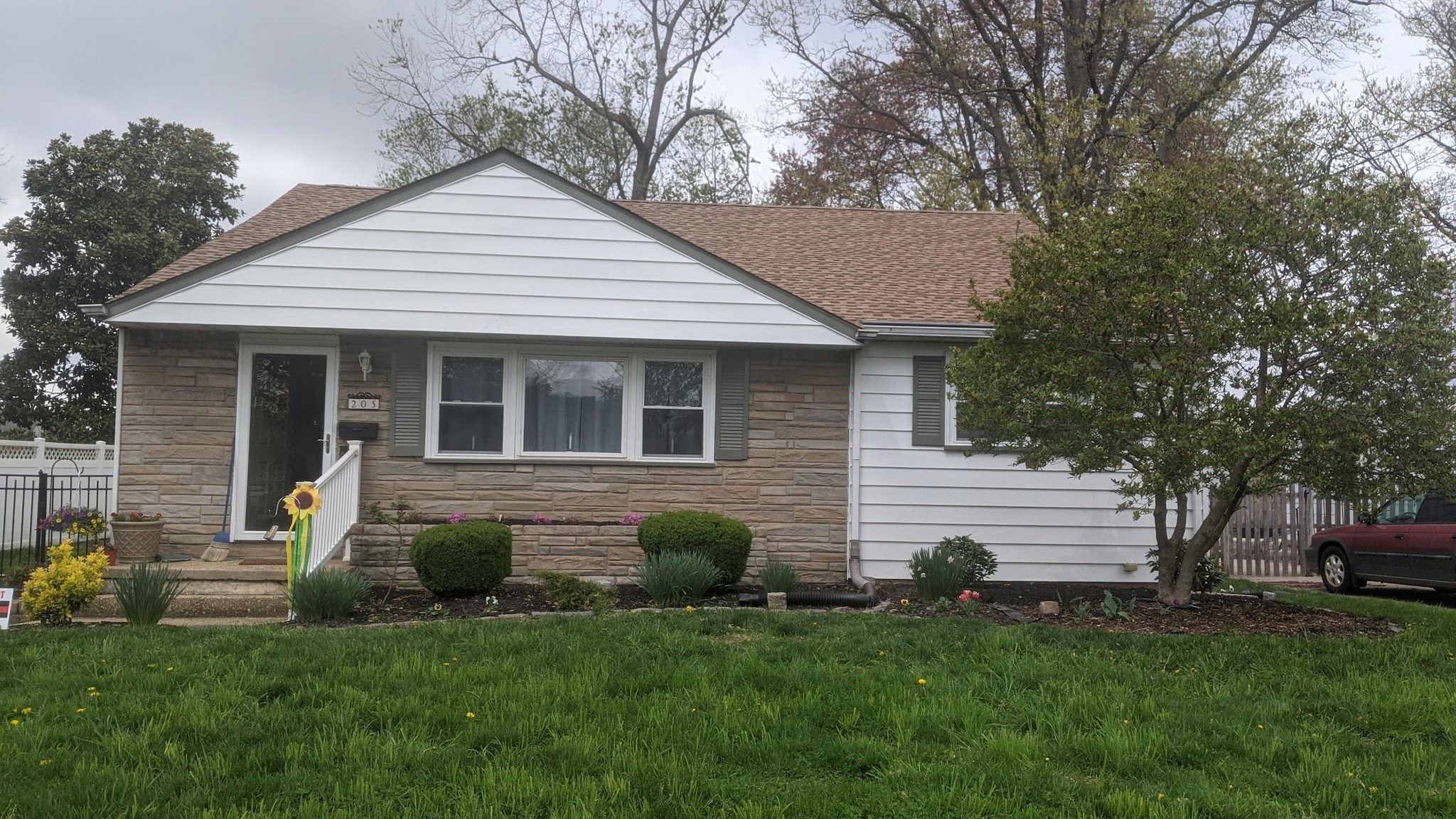
Here it is now, May 2026.
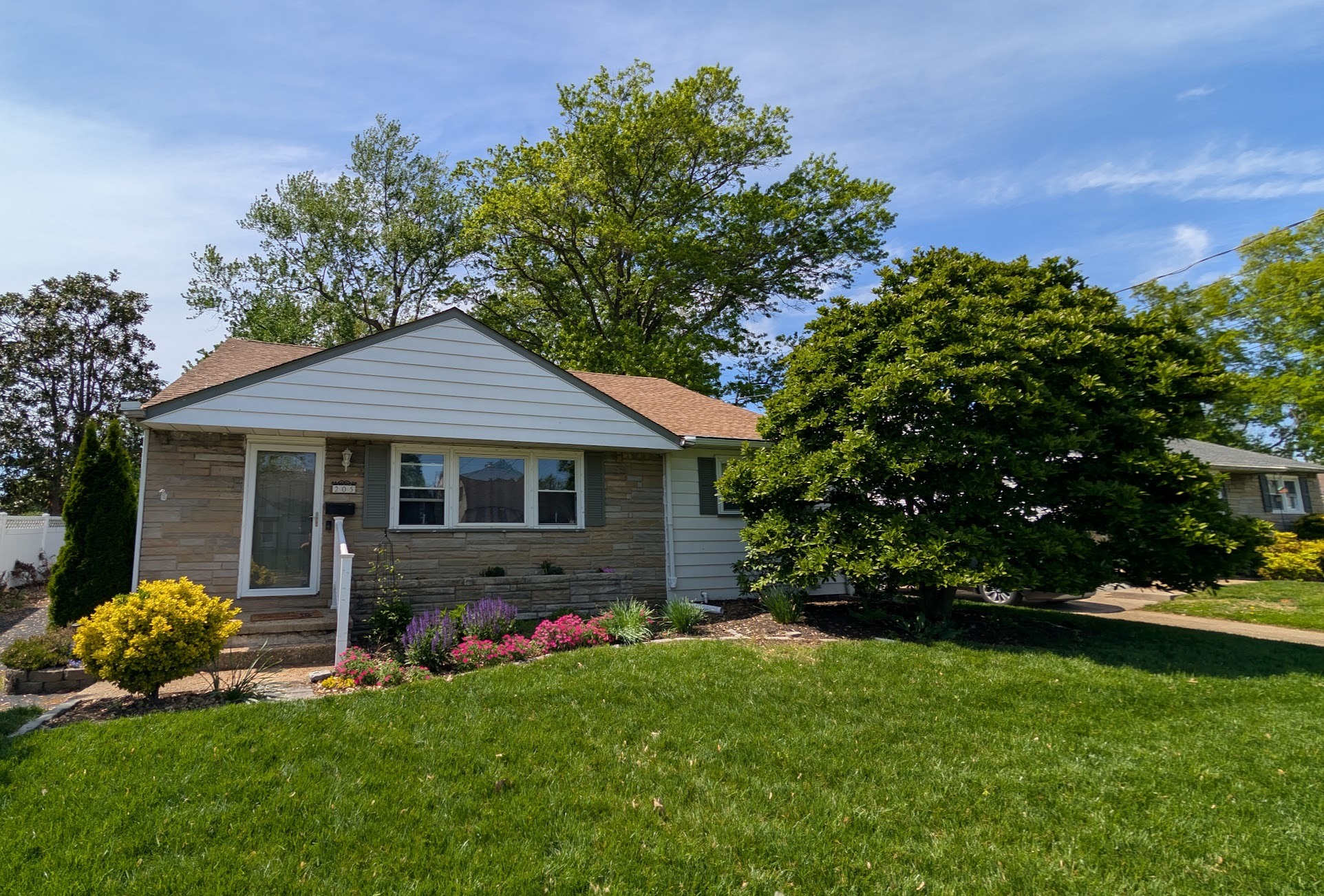
5 years. None of it was linear. Plants died. I put things in the wrong place and had to dig them back up. One winter killed half the lavender and I sulked for a month. The bed by the porch came first, then the strip near the driveway, then the foundation planter. Every year felt like minor cleanup. Every fifth year, apparently, looks like this.
If you’d shown me the 2026 photo back in 2021 I wouldn’t have believed it was the same yard.
You can’t see progress from inside it
Day-to-day, gardening looks like: dig hole, place plant, water, repeat, complain about Japanese beetles. Year-to-year it looks like a different house.
The same thing happened with how I use Claude and Claude Code over the last 10 weeks. I didn’t sit down in March and write a plan called “shift my AI usage.” I just kept making small adjustments based on what was working and what was wearing me out. Looking back now, the shape of it is obvious. While I was in it, it wasn’t.
The first phase: check the box
Earlier this year I was using AI hard at home to learn the tooling. Autonomous Claude Code agents processing GitHub issues across my personal repos. Dashboards. 133 PRs in a month. I open-sourced the whole stack for about a minute, then pulled it down. Anthropic ships fixes for the pain points I was scaffolding around almost every week, so half the duct tape I’d written was already obsolete by the time someone could fork it.
The motivation was external, even though it didn’t feel like it at the time. “Learn AI. Stay ahead of it.” A box to check. And I was checking it.
Here’s what happens when your tooling gets that good (I keep wanting to write this as a confession, but it’s just a fact): you stop being the person doing the work. You become the person reviewing the work. PR after PR after PR. Each one a small decision. Each one a context switch into a different part of a different repo.
By the end of the evening I’d close the laptop and notice I had done almost no engineering. I’d just made decisions about other agents’ engineering. That is a very specific kind of tired.
A new flavor of fatigue
Most work used to look like: pick up an issue, gather information, do the work, decide what to ship. The “do the work” part is slow, but it’s also where you rest. Your hands are moving. You’re typing, drawing diagrams, reading code. Decisions are spaced out by activity.
With agents in the loop, the shape collapses. Get info. Make decision. Get info. Make decision. The work happens somewhere else, by something else. You’re just metabolizing outputs.
I’m not saying this is bad. The throughput is real. But the cognitive cost is different from what we’re used to, and I don’t think we’ve got a vocabulary for it yet. Call it decision fatigue with no breaks. Effort fatigue at least gives your hands something to do while your brain catches up.
The pivot
Around the end of March I started pacing. Less “how much can I ship today” and more “what do I actually want to learn this week.”
It was a small change at first. I let one of my agent fleets idle for a weekend. Then I noticed I didn’t miss it. Then I started using Claude differently at home.
Most of my AI usage at home now is reading and learning instead of building. Garden stuff, mostly. I ask Claude why the hydrangea on the north side is leggy and the one in the front bed is compact. I ask which native pollinators eat which pests so I can stop buying ladybugs from the internet (long story). I have it walk me through soil chemistry, then I go test the soil and the numbers actually mean something to me.
A funny side effect: I’ve learned more horticulture in 6 weeks of casual Claude conversations than in the previous 3 years of books and forums. The reason is that I can ask follow-up questions until the concept actually fits in my head. Books can’t do that.
That’s the thing I keep coming back to. AI used as a learning tool feels wildly different from AI used as a productivity tool, even when the underlying model is identical. Productivity AI replaces the doing. Learning AI shortens the gap between not understanding and understanding. Those are very different relationships to have with a piece of software.
Reserving energy for work, too
The other reason for pacing: I still have a day job, and that day job still requires me to learn. New systems, new domains, new people. If I burn my decision budget on a personal agent fleet from 6am to 9am, there’s nothing left by the time I’m in an afternoon meeting about something I’ve never seen before.
Hobbies were quietly eating into the energy I needed for work, which is the opposite of what hobbies are supposed to do. The fix turned out to be doing different things at home, not doing less.
Build less. Read more. Touch dirt.
Back to the front yard
The garden is the metaphor and also just the garden.
When I started in 2021 I wanted to grow tomatoes because tomatoes are productive. You can eat them. They check a box. By 2023 I was planting things mostly because the color was nice in May, and I think that’s when the front yard actually started looking like a garden.
The 2026 photo exists because I stopped optimizing for any single year and let the perennials do their slow thing. Trying harder had very little to do with it.
That’s what I’m trying to do with AI now, too. Stop optimizing for any single week. Let the slow thing happen.
If you’d shown me this post in March I wouldn’t have believed I’d write it. Which, I guess, is the whole point.